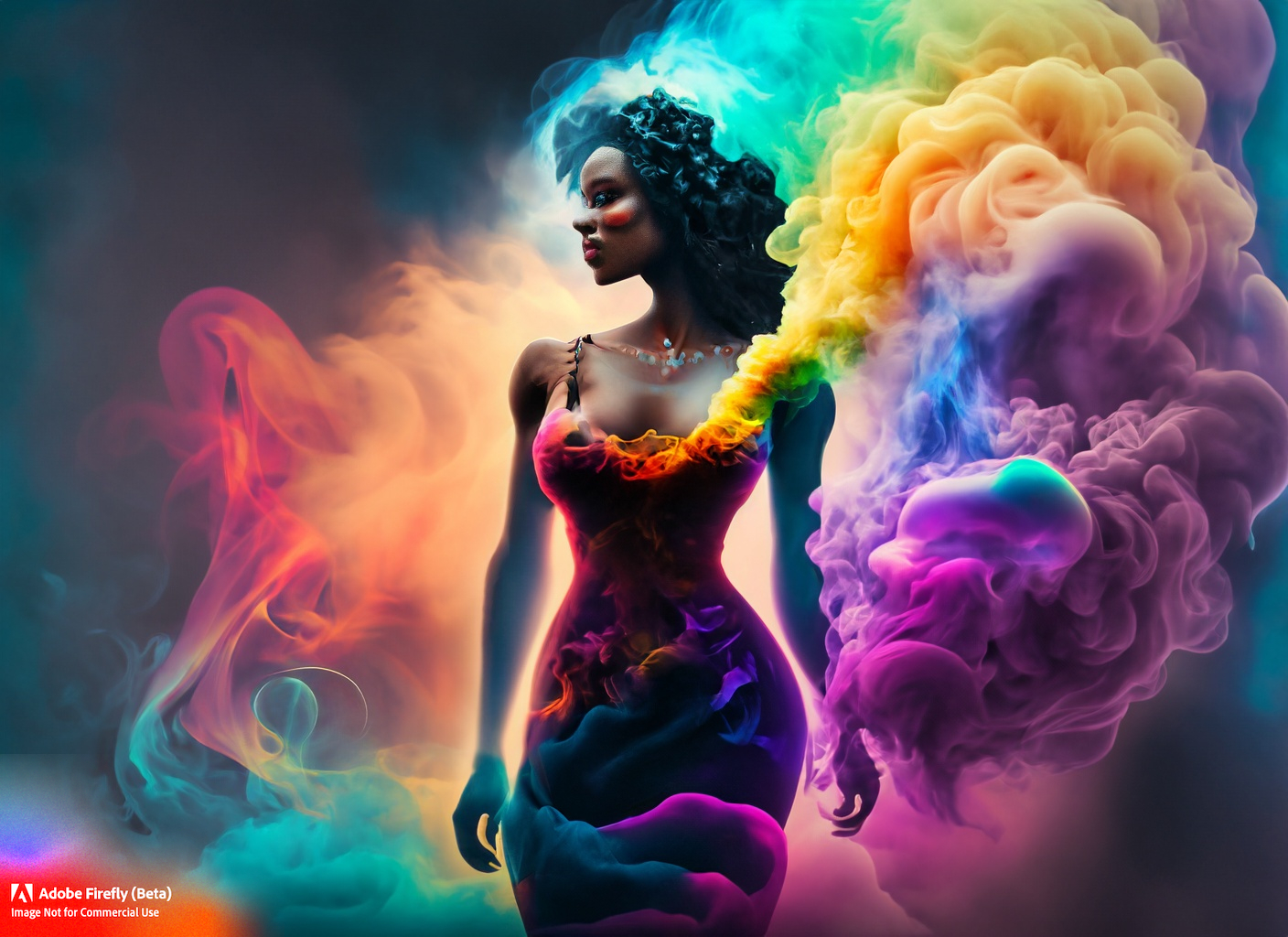
The development of the feminine archetype can be traced back to ancient civilizations, where goddesses played a significant role in religious and cultural practices. These goddesses represented various aspects of femininity, such as fertility, creation, wisdom, and power. In this article, we will explore the evolution of the feminine archetype from the ancient goddesses of Isis, Lilith, Sophia, and Maria Magdalena, to their representation in Egyptian, Jewish, Christian, Greek, and Roman histories and myths.
Read More
Gender stereotypes have long been a part of society, often dictating how men and women should behave and interact with one another. However, when these stereotypes become harmful, they are referred to as toxic masculinity and femininity. These harmful beliefs and behaviors can have serious consequences, both for individuals and for society as a whole. In this article, we will explore the concept of toxic masculinity and femininity, their negative effects, and ways to combat them.
Read More
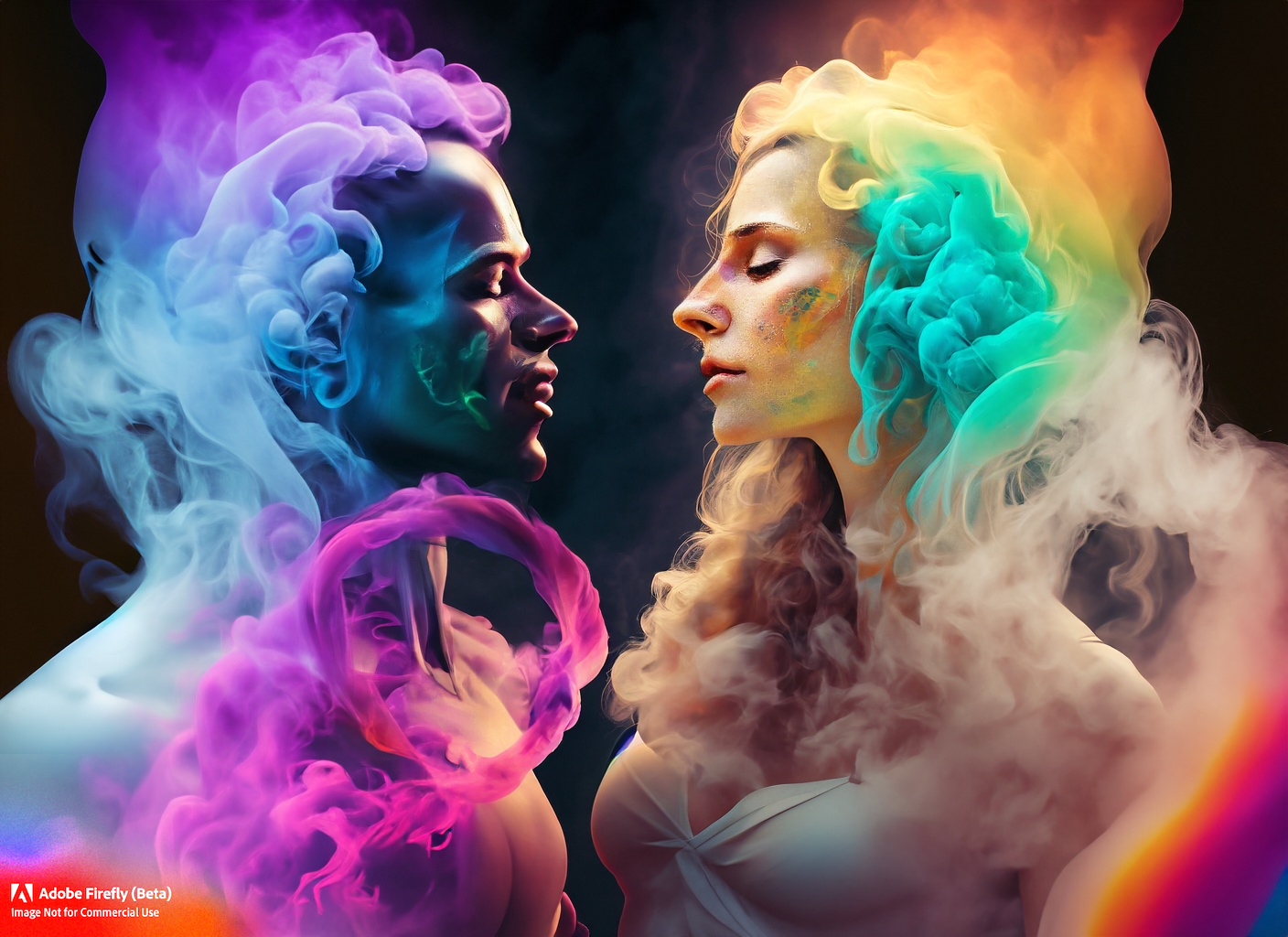
Two distinct paradigms have emerged in this movement: Divine Masculinity and Femininity, and Mature Masculinity and Femininity. These two paradigms offer different approaches to understanding gender and the roles that men and women play in society.
Read More
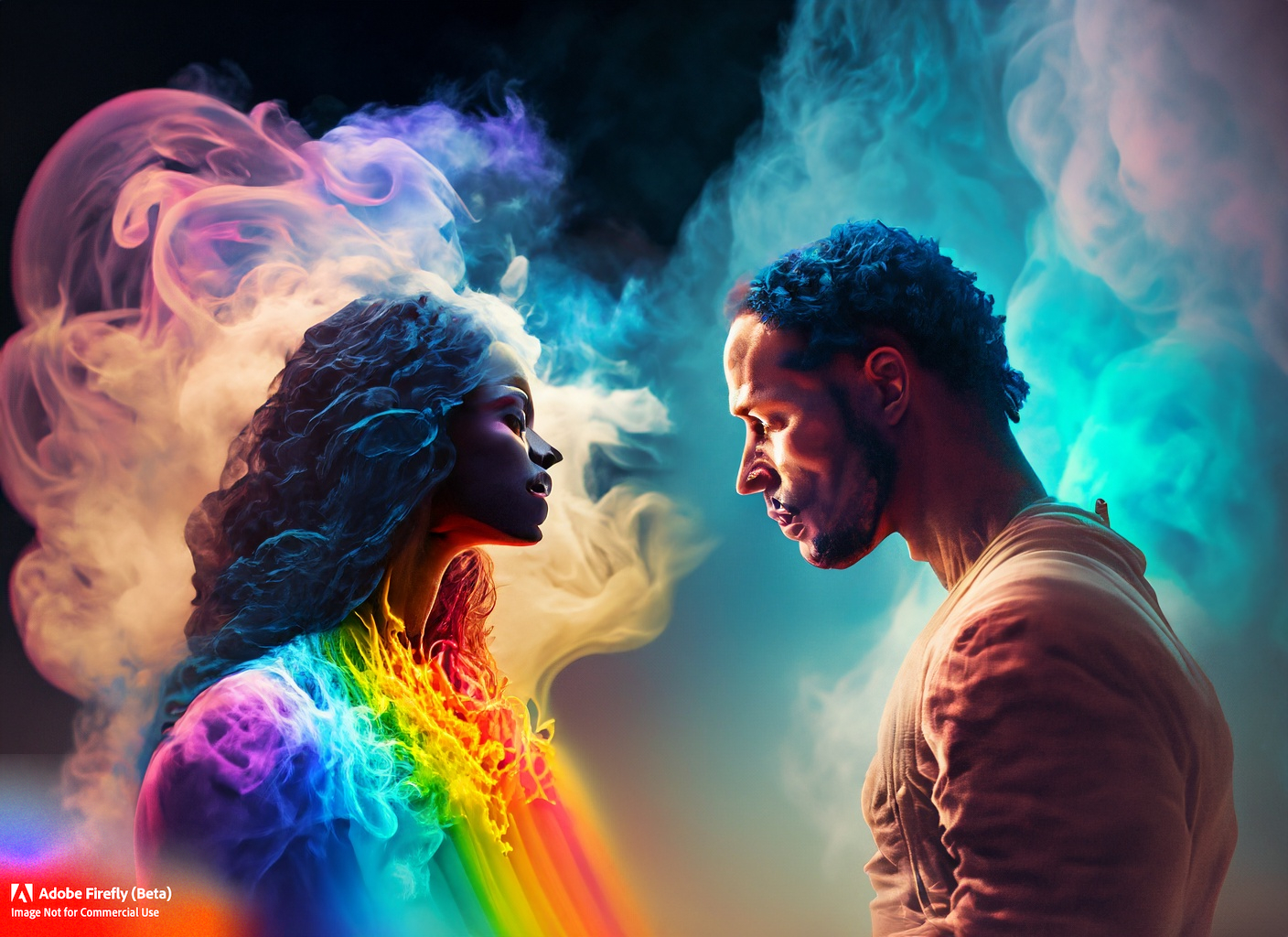
The divine feminine is associated with qualities such as intuition, compassion, creativity, and receptivity. It is often associated with the natural world, the moon, and the womb. The divine masculine, on the other hand, is associated with qualities such as strength, logic, action, and protection. It is often associated with the sun, the sky, and the mind.
Read More
The development of the feminine archetype can be traced back to ancient civilizations, where goddesses played a significant role in religious and cultural practices. These goddesses represented various aspects of femininity, such as fertility, creation, wisdom, and power. In this article, we will explore the evolution of the feminine archetype from the ancient goddesses of Isis, Lilith, Sophia, and Maria Magdalena, to their representation in Egyptian, Jewish, Christian, Greek, and Roman histories and myths.
Read More