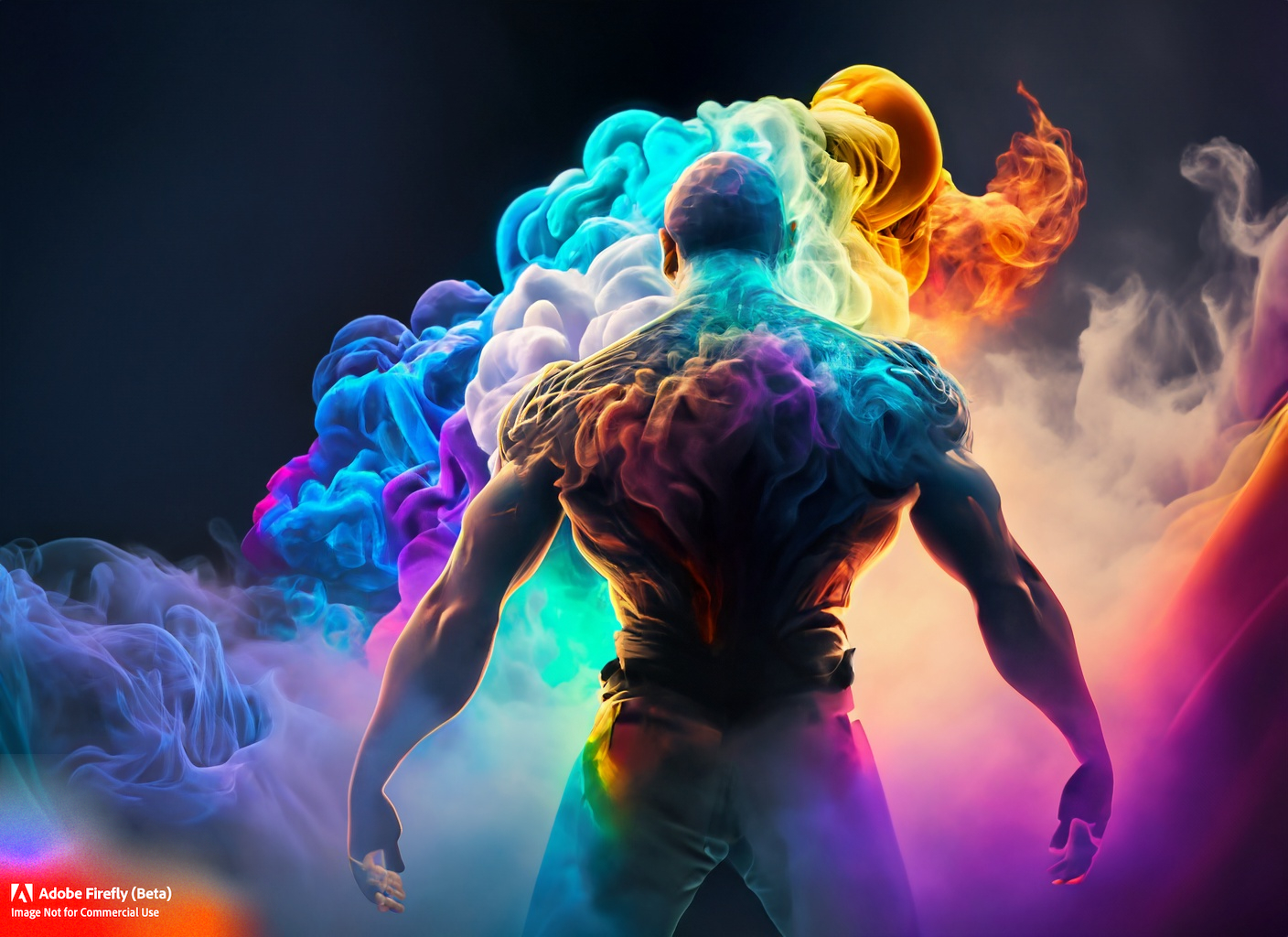
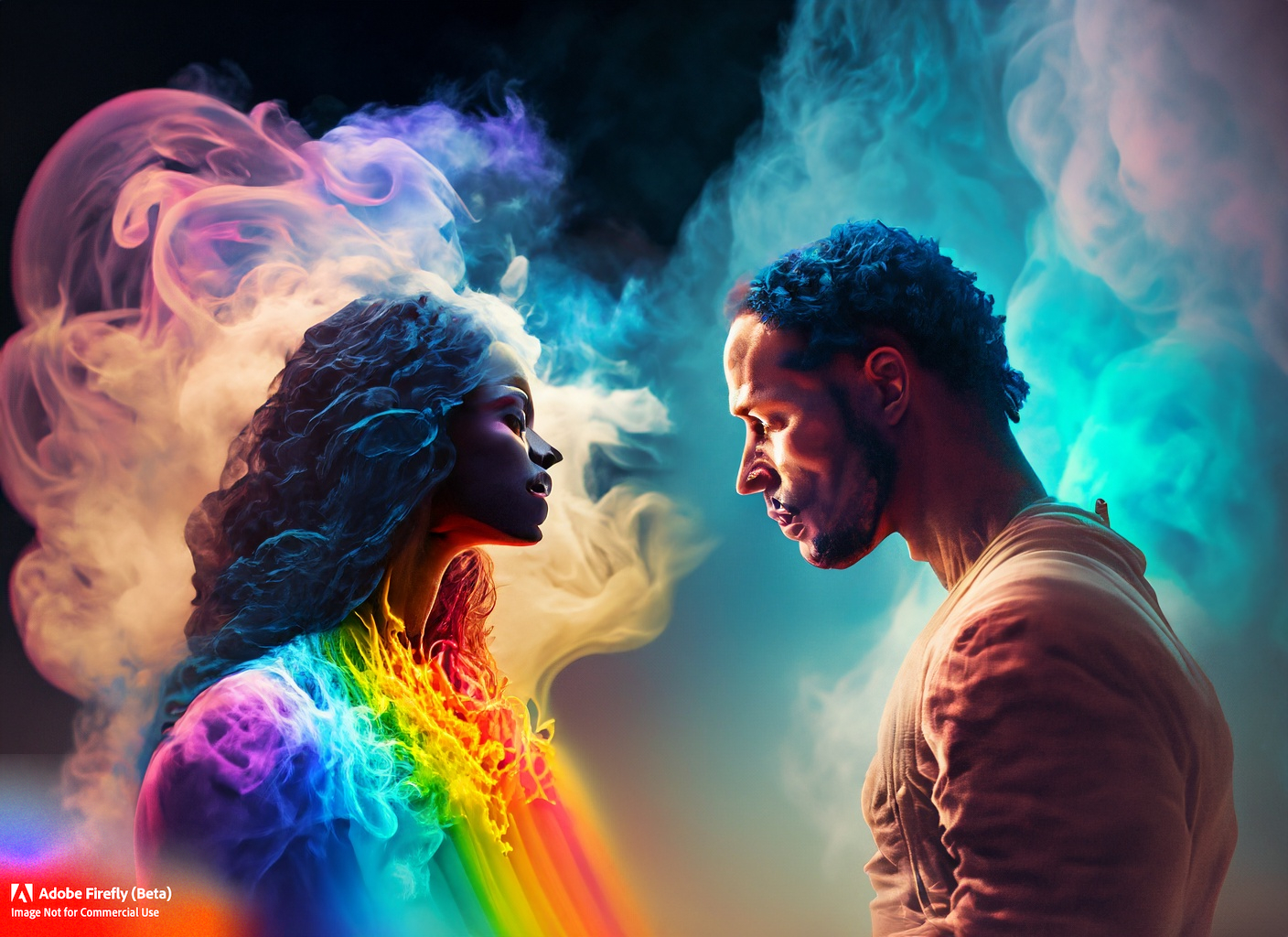
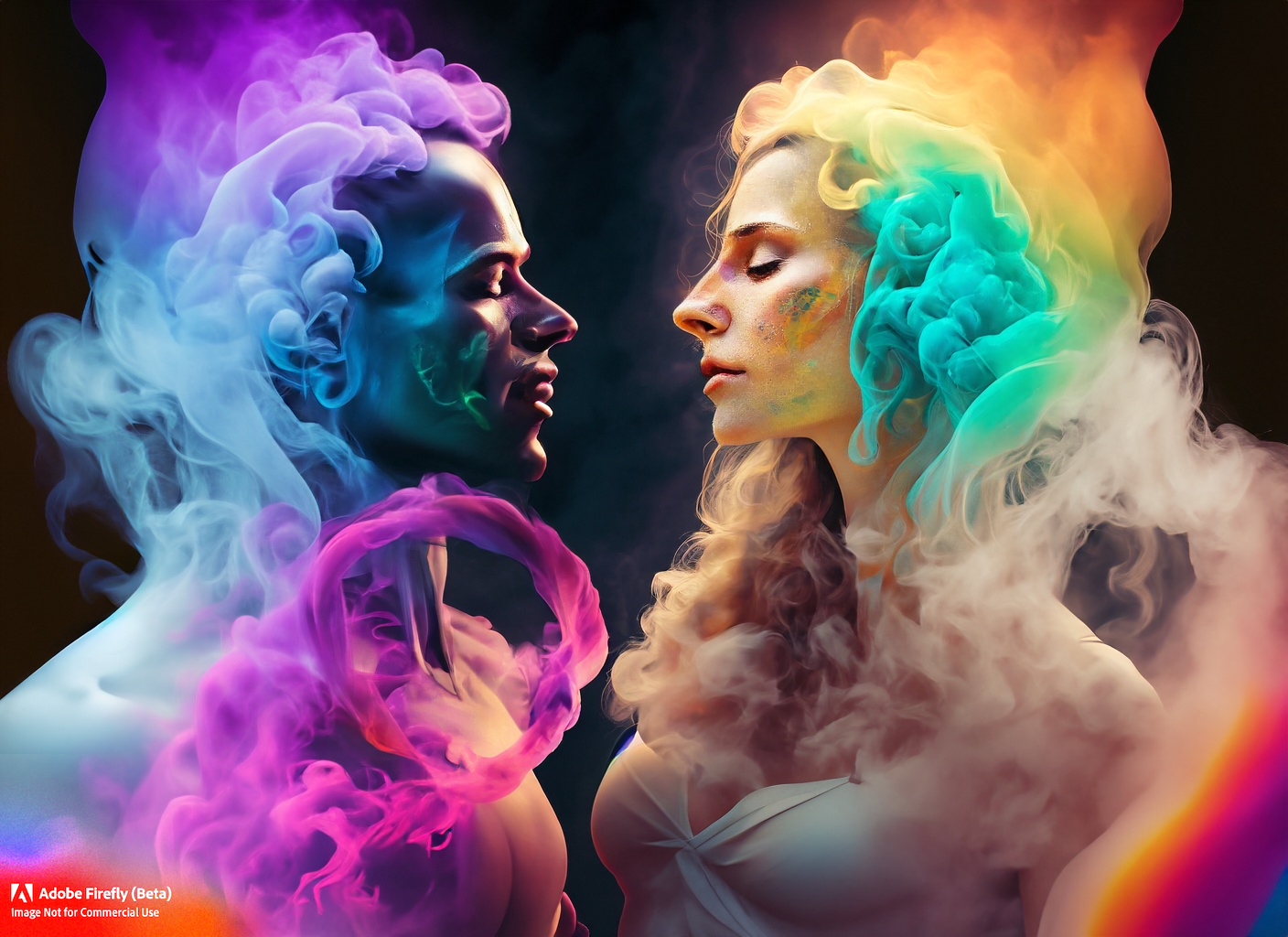
The masculine archetype in Western culture has been shaped by a variety of myths, stories, and cultural influences. While traditionally associated with strength, power, and aggression, there is a growing recognition of the need for a more balanced and integrated approach to the masculine archetype. By embracing qualities such as emotional intelligence, compassion, and collaboration, we can create a more just and equitable society that values the well-being of all individuals and communities.
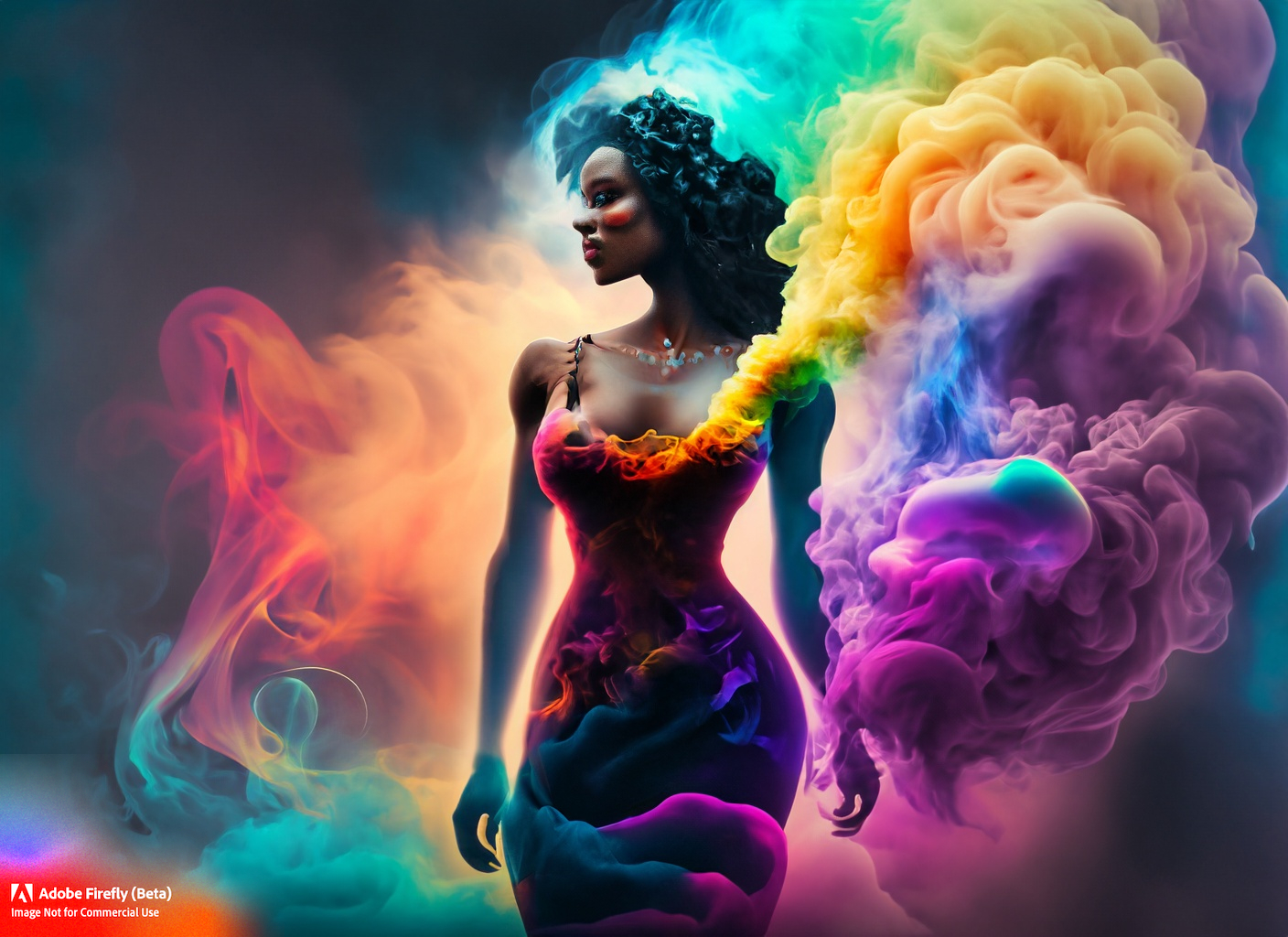
The development of the feminine archetype can be traced back to ancient civilizations, where goddesses played a significant role in religious and cultural practices. These goddesses represented various aspects of femininity, such as fertility, creation, wisdom, and power. In this article, we will explore the evolution of the feminine archetype from the ancient goddesses of Isis, Lilith, Sophia, and Maria Magdalena, to their representation in Egyptian, Jewish, Christian, Greek, and Roman histories and myths.
Cultural intelligence, or CQ, is the ability to understand and navigate different cultures effectively. It involves being aware of and sensitive to cultural differences, and being able to adapt one's behavior and communication style accordingly.
Trauma is a universal experience, and it can impact individuals, communities, and entire societies. Trauma can manifest in many ways, including physical, emotional, and psychological distress. Trauma can be caused by a single event or a series of events, and it can be passed down through generations.
In today's interconnected world, the ability to understand and navigate human relationships is more important than ever. From personal relationships to professional ones, the way we interact with others can greatly impact our success and well-being. This is where relational intelligence comes in.
Working with polarities is a powerful tool for personal and collective growth. Polarities are opposing forces that exist in various aspects of life. When we learn to recognize and work with polarities, we can create a more balanced and harmonious life.
Gender stereotypes have long been a part of society, often dictating how men and women should behave and interact with one another. However, when these stereotypes become harmful, they are referred to as toxic masculinity and femininity. These harmful beliefs and behaviors can have serious consequences, both for individuals and for society as a whole. In this article, we will explore the concept of toxic masculinity and femininity, their negative effects, and ways to combat them.
Two distinct paradigms have emerged in this movement: Divine Masculinity and Femininity, and Mature Masculinity and Femininity. These two paradigms offer different approaches to understanding gender and the roles that men and women play in society.
The concepts of the good, the true, and the beautiful have been explored by philosophers throughout history as guiding principles for ethical and aesthetic decision-making. These concepts can also be applied to our personal and collective efforts to create a better, more beautiful world.