The victim role is characterized by a sense of powerlessness and helplessness. Victims feel like they are at the mercy of external circumstances and are often looking for someone to rescue them. The persecutor role involves blaming and attacking others, often out of a sense of frustration or powerlessness. Finally, the rescuer role involves trying to fix or save the victim, often at the expense of their own well-being.
Sacred economics is a concept that seeks to transform our current economic system into one that is based on principles of sustainability, cooperation, and social justice. At its core, sacred economics is about recognizing the interconnectedness of all beings and using economic systems to support the flourishing of all life on Earth.
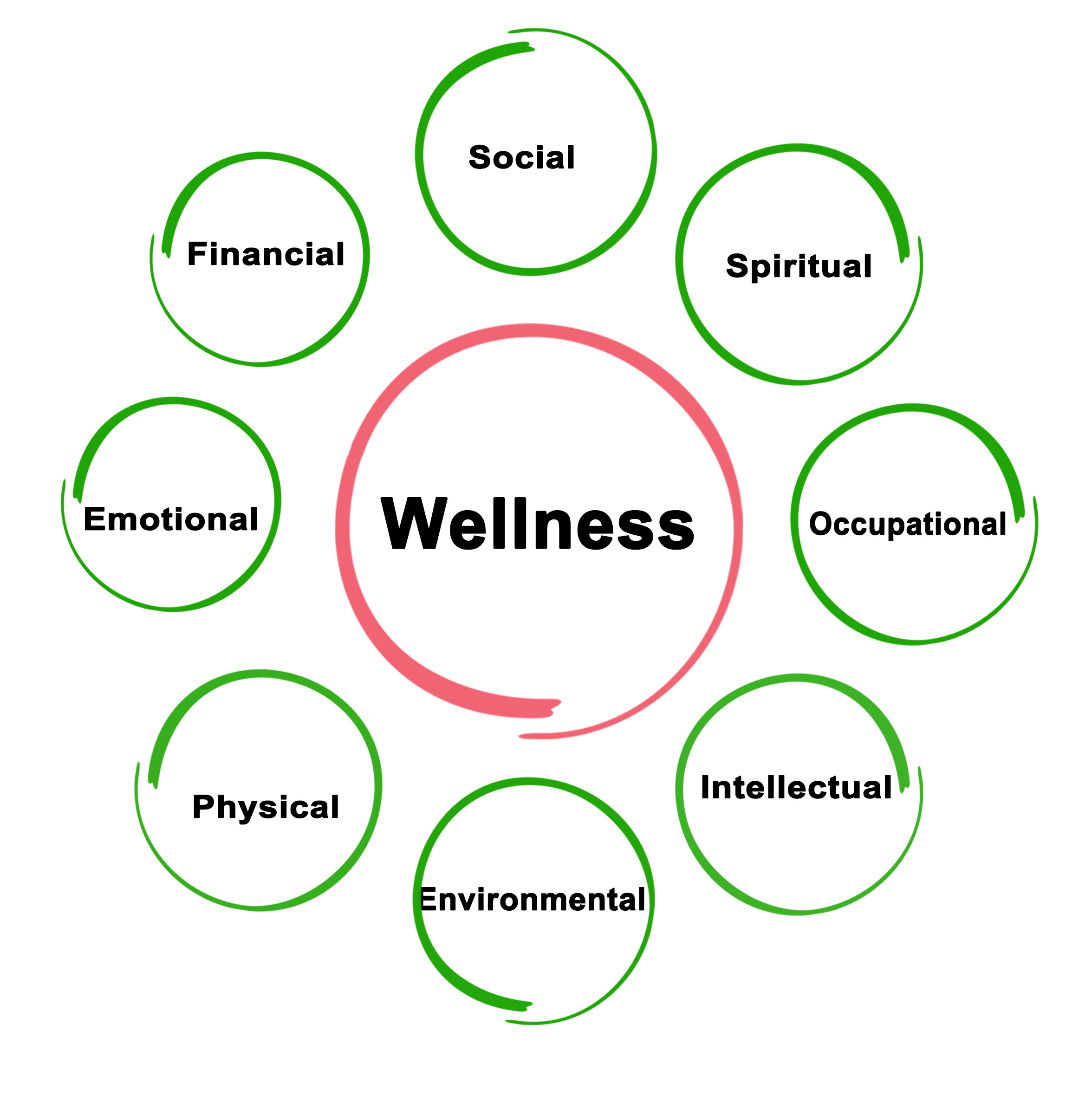
Wellness refers to a state of complete physical, mental, and social well-being. It is not merely the absence of disease or infirmity but also encompasses the ability to live a fulfilling and satisfying life. Wellness is influenced by a variety of factors, including lifestyle, environment, genetics, and healthcare. Scientists have identified several hallmarks of wellness that contribute to overall health and well-being. In this blog post, we will discuss each of these hallmarks of wellness in detail.
Creating a loving spiritual community requires a commitment to healing, growth, and connection. In addition to trauma work, Polyvagal Theory, Attachment Theory, Integral Theory, Wake Up, Grow Up, Clean Up, Show Up, Nature Connections, Intimacy, and Somatic Work, it is also important to consider the roles of masculine and feminine energies in building a healthy community.
The development of the feminine archetype can be traced back to ancient civilizations, where goddesses played a significant role in religious and cultural practices. These goddesses represented various aspects of femininity, such as fertility, creation, wisdom, and power. In this article, we will explore the evolution of the feminine archetype from the ancient goddesses of Isis, Lilith, Sophia, and Maria Magdalena, to their representation in Egyptian, Jewish, Christian, Greek, and Roman histories and myths.