- Cultivate self-awareness: The first step in healing and evolving our relationship with the divine feminine and divine masculine is to become aware of our patterns and tendencies. This requires us to engage in practices such as mindfulness, journaling, and therapy to understand our emotions, beliefs, and behaviors.
- Embrace vulnerability: The divine feminine is associated with vulnerability and emotional expression. To heal and evolve, we must be willing to embrace our emotions and express them authentically. This may involve setting boundaries, asking for help, or sharing our experiences with others.
- Practice self-care: The divine feminine is associated with self-care and nurturing. To create balance in our lives, we must prioritize rest, relaxation, and self-compassion. This may involve practices such as meditation, yoga, or spending time in nature.
- Develop healthy relationships: The divine feminine and divine masculine are both associated with relationships. To heal and evolve, we must cultivate healthy relationships with ourselves and others. This requires us to engage in practices such as active listening, empathy, and effective communication.
- Embody both archetypes: To create balance in our lives, we must embrace both the divine feminine and divine masculine within ourselves. This means developing qualities such as intuition, creativity, and receptivity, as well as qualities such as strength, action, and protection.
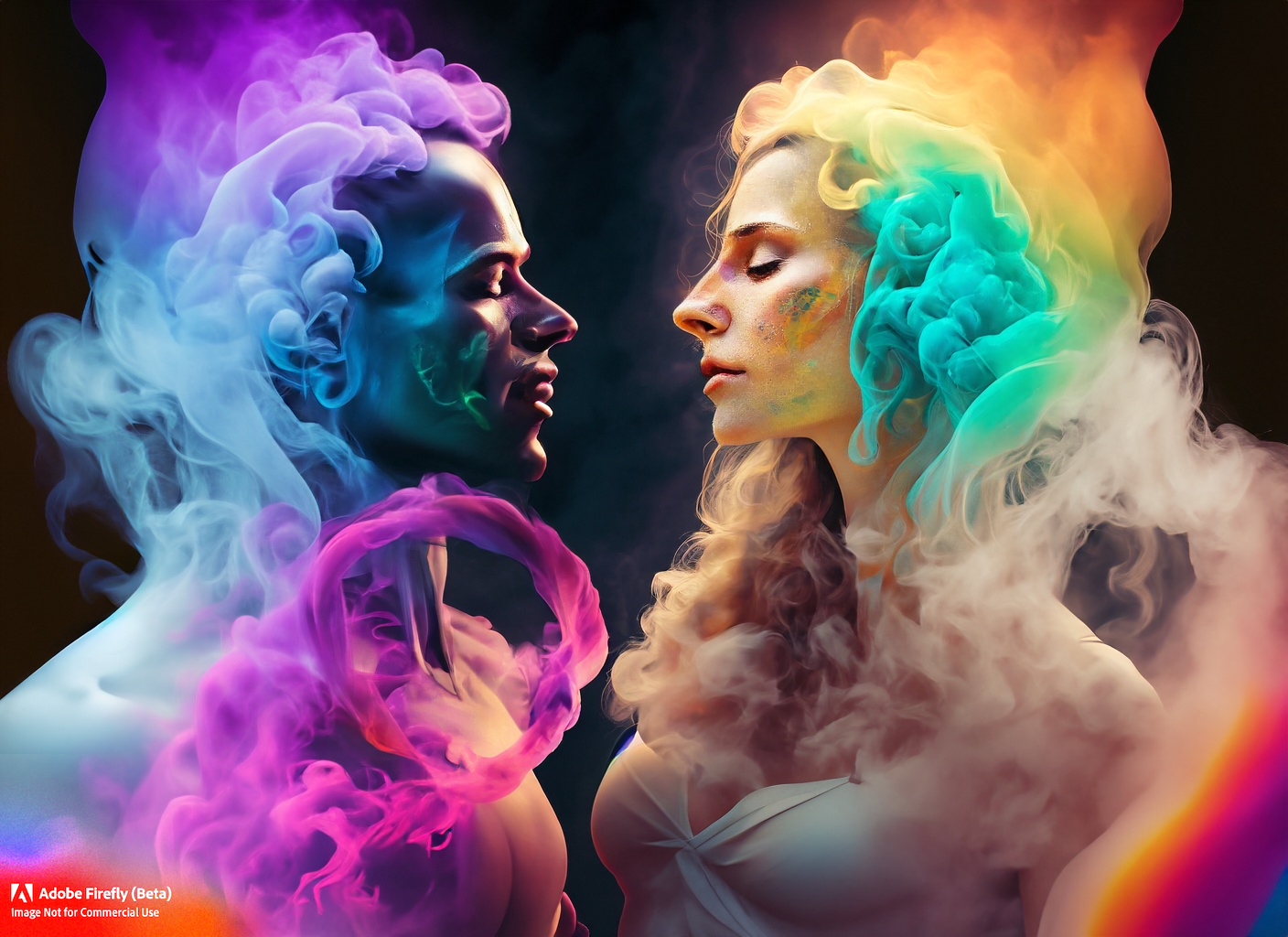
Divine feminine and divine masculine
The concept of the divine feminine and divine masculine has been present in many spiritual traditions throughout history. These archetypes represent the different aspects of the human experience and can help us understand and heal our relationships with ourselves and others.
The divine feminine is associated with qualities such as intuition, compassion, creativity, and receptivity. It is often associated with the natural world, the moon, and the womb. The divine masculine, on the other hand, is associated with qualities such as strength, logic, action, and protection. It is often associated with the sun, the sky, and the mind.
While these archetypes are often associated with gender, it's important to note that they exist in all of us, regardless of our biological sex or gender identity. We all have the potential to embody the qualities of the divine feminine and divine masculine and create a more balanced and harmonious world.
However, many of us have been conditioned by society to value one archetype over the other, leading to imbalances in our personal and collective lives. For example, we may prioritize action and productivity over rest and introspection, leading to burnout and exhaustion. Or we may suppress our emotions and intuition in favor of logic and reason, leading to a lack of creativity and connection.
Healing and evolving our relationship with the divine feminine and divine masculine requires us to identify and address these imbalances. Here are some steps we can take:

About Jón Ágúst Guðjónsson
0 Comments