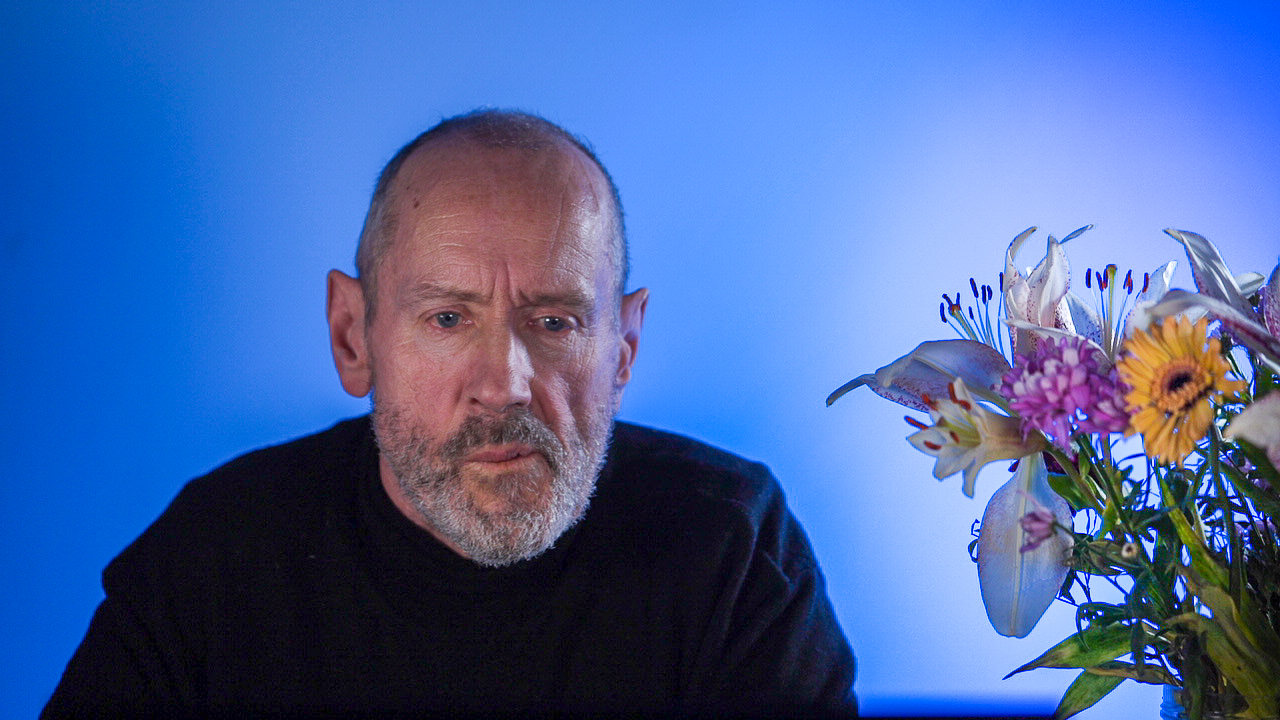
I'm turning 66. I decided to create a small report on where I am? How my journey has been, where I intending to go in my next journey around the sun. My health has been getting a...
66
read more...
I'm turning 66. I decided to create a small report on where I am? How my journey has been, where I intending to go in my next journey around the sun. My health has been getting a...
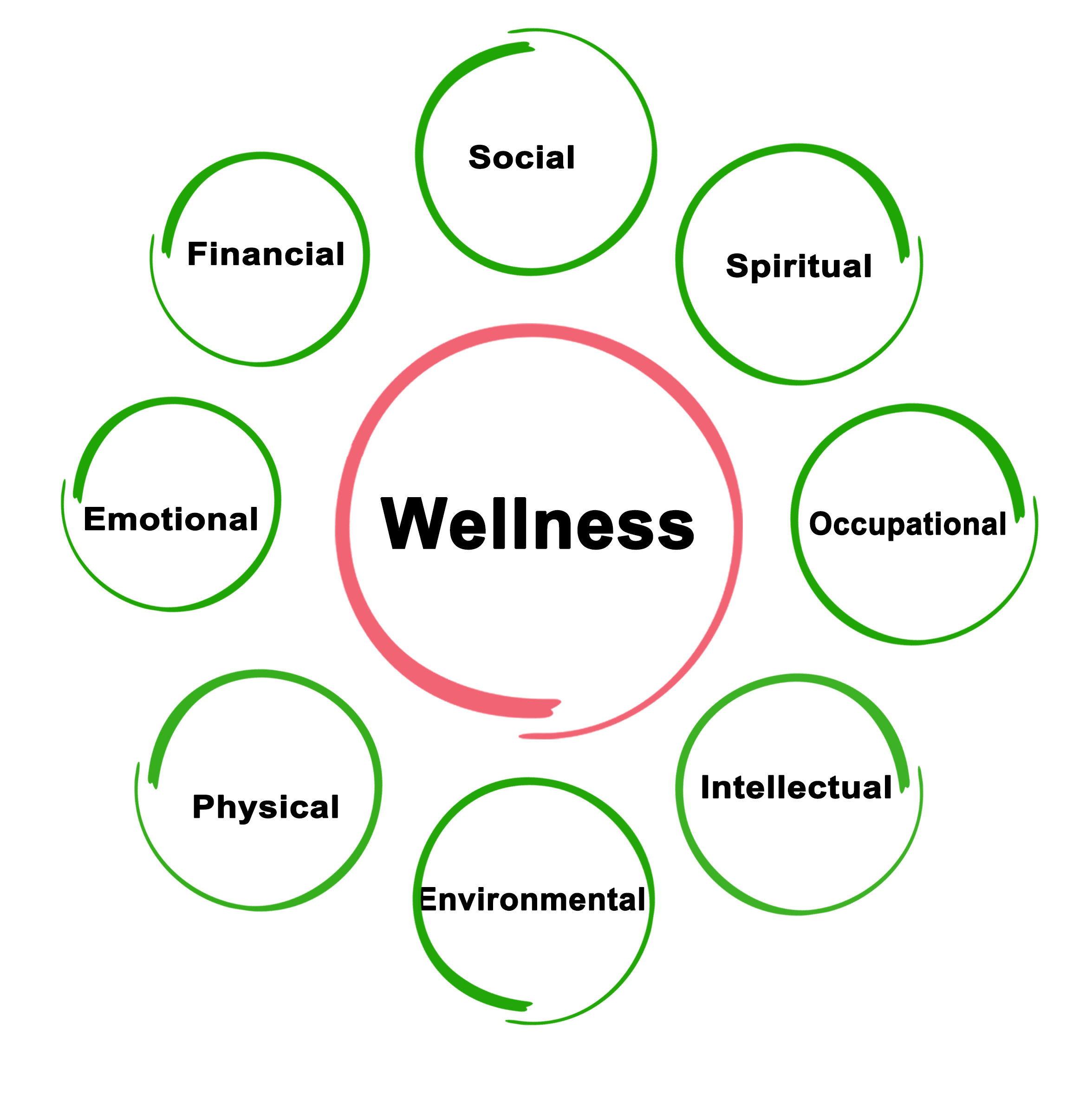
Wellness refers to a state of complete physical, mental, and social well-being. It is not merely the absence of disease or infirmity but also encompasses the ability to live a fulfilling and satisfying life. Wellness is influenced by a variety of factors, including lifestyle, environment, genetics, and healthcare. Scientists have identified several hallmarks of wellness that contribute to overall health and well-being. In this blog post, we will discuss each of these hallmarks of wellness in detail.
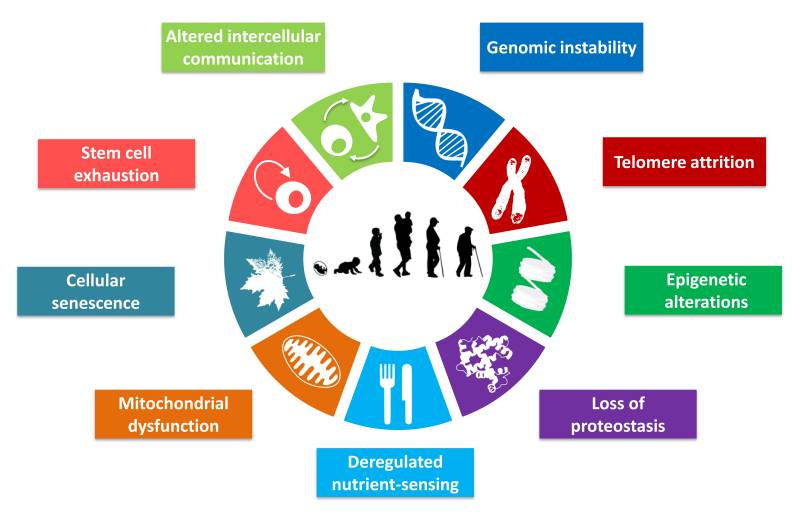
Aging is an inevitable biological process that occurs in all living organisms. As we age, our body undergoes various changes, both physical and physiological. These changes result in an increased vulnerability to diseases, disabilities, and death. Scientists have identified ten hallmarks of aging, which are the underlying biological mechanisms that drive the aging process. In this blog post, we will discuss each of these ten hallmarks of aging in detail.
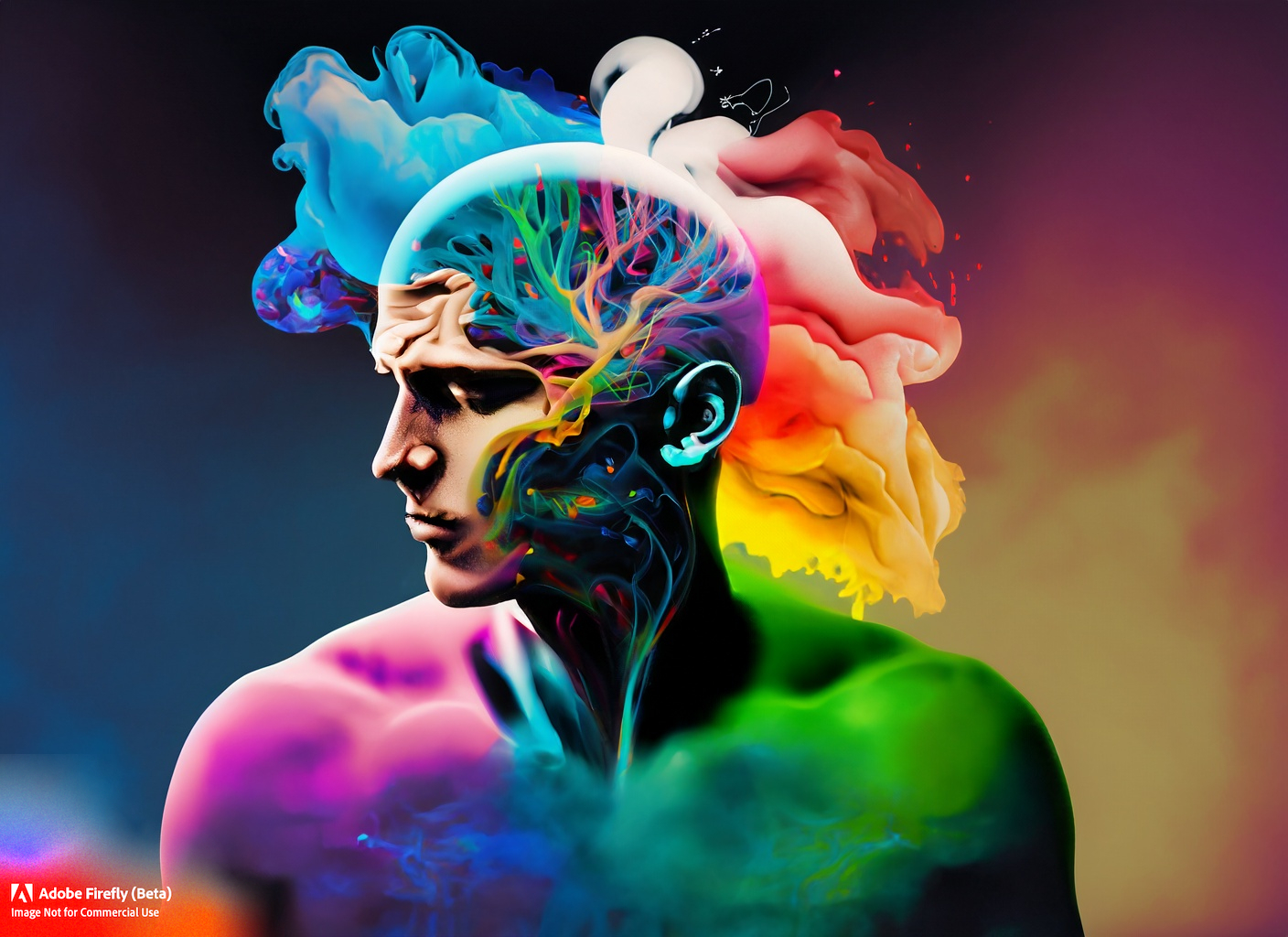
According to IFS, each individual has an “inner system” of parts that work together to shape their thoughts, emotions, and behaviors. These parts can be categorized into three broad categories: “exiles,” “protectors,” and “managers.”
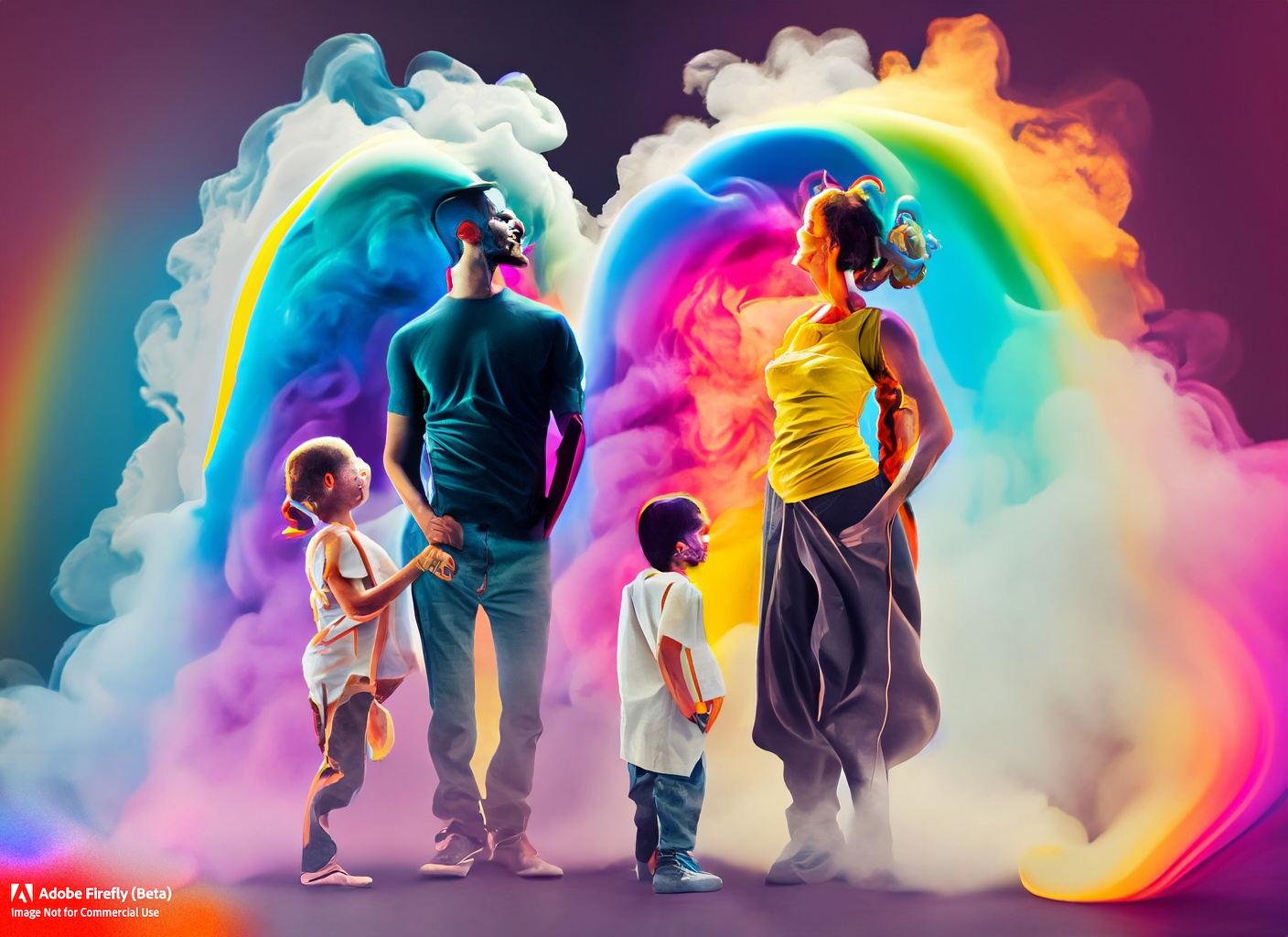
Attachment theory is a psychological framework that explains how early childhood experiences shape our ability to form and maintain relationships throughout our lives. It was first developed by British psychoanalyst John Bowlby and later expanded upon by American psychologist Mary Ainsworth.
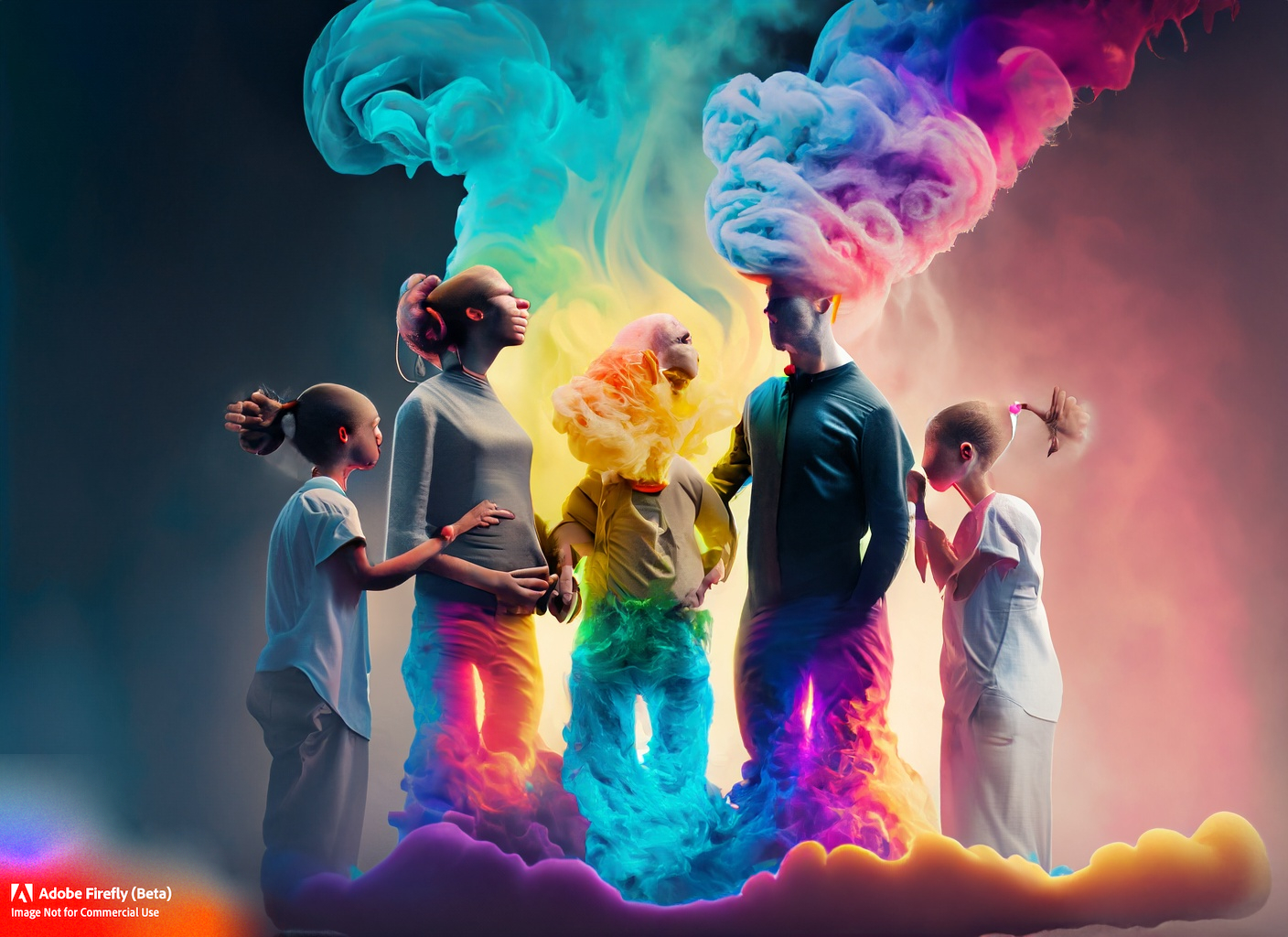
polyvagal theory provides a powerful framework for understanding how our nervous system responds to stress and how this response can impact our mental and physical health. By recognizing the role that the ANS plays in our daily lives and learning to regulate our response to stress, we can create a more balanced and fulfilling life.
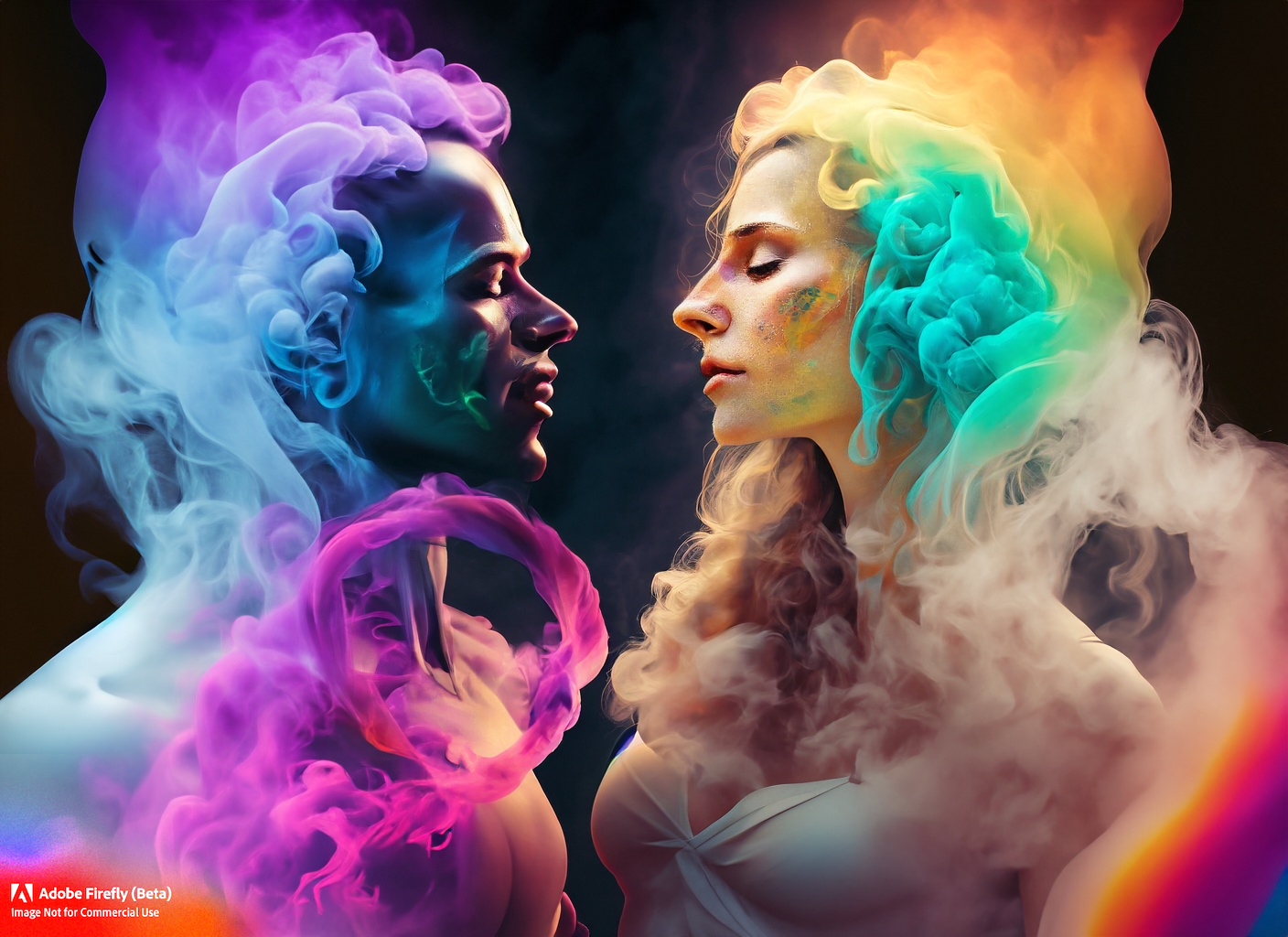
The concept of the divine feminine and divine masculine has been present in many spiritual traditions throughout history. These archetypes represent the different aspects of the...

Sacred economics is a concept that seeks to transform our current economic system into one that is based on principles of sustainability, cooperation, and social justice. At its core, sacred economics is about recognizing the interconnectedness of all beings and using economic systems to support the flourishing of all life on Earth.

The victim role is characterized by a sense of powerlessness and helplessness. Victims feel like they are at the mercy of external circumstances and are often looking for someone to rescue them. The persecutor role involves blaming and attacking others, often out of a sense of frustration or powerlessness. Finally, the rescuer role involves trying to fix or save the victim, often at the expense of their own well-being.

The concepts of the good, the true, and the beautiful have been explored by philosophers throughout history as guiding principles for ethical and aesthetic decision-making. These concepts can also be applied to our personal and collective efforts to create a better, more beautiful world.
Nature connection is integral to creating a more beautiful world. It can help us avoid the effects of division, such as nature deficit disorder and climate change. We must act now to ensure we evolve towards a more compassionate future.
Gender stereotypes have long been a part of society, often dictating how men and women should behave and interact with one another. However, when these stereotypes become harmful, they are referred to as toxic masculinity and femininity. These harmful beliefs and behaviors can have serious consequences, both for individuals and for society as a whole. In this article, we will explore the concept of toxic masculinity and femininity, their negative effects, and ways to combat them.
The concept of interbeing comes from the teachings of Thich Nhat Hanh, a Vietnamese Zen master, poet, and peace activist. It is a way of understanding our place in the world as interconnected with all other beings and phenomena. Interbeing acknowledges that we are not separate individuals, but rather a part of a larger web of life. This concept can be particularly useful in helping us overcome the illusion of separation that is often the root of suffering in our lives and in the world.
Working with polarities is a powerful tool for personal and collective growth. Polarities are opposing forces that exist in various aspects of life. When we learn to recognize...
Relational Intelligence: Understanding the Dynamics of Human Relationships In today's interconnected world, the ability to understand and navigate human relationships is more...

Trauma is a universal experience, and it can impact individuals, communities, and entire societies. Trauma can manifest in many ways, including physical, emotional, and psychological distress. Trauma can be caused by a single event or a series of events, and it can be passed down through generations.

The masculine archetype in Western culture has been shaped by a variety of myths, stories, and cultural influences. While traditionally associated with strength, power, and aggression, there is a growing recognition of the need for a more balanced and integrated approach to the masculine archetype. By embracing qualities such as emotional intelligence, compassion, and collaboration, we can create a more just and equitable society that values the well-being of all individuals and communities.